If your neighborhood is anything like mine, you're seeing car washes pop up all over the place. Today I try to peel back the onion on why that's the case.
Texas Roadhouse is often admired for its fun experience, but the experience is isn't what matters to us operators. The real advantage is a tightly run operating system built for scale.
AI can make advertising agencies faster and more efficient. It can also make them easier to replace.
EVgo operates a network of EV charging stations. It is a capital-intensive business with low margins and little room for competitive differentiation. Ouch.
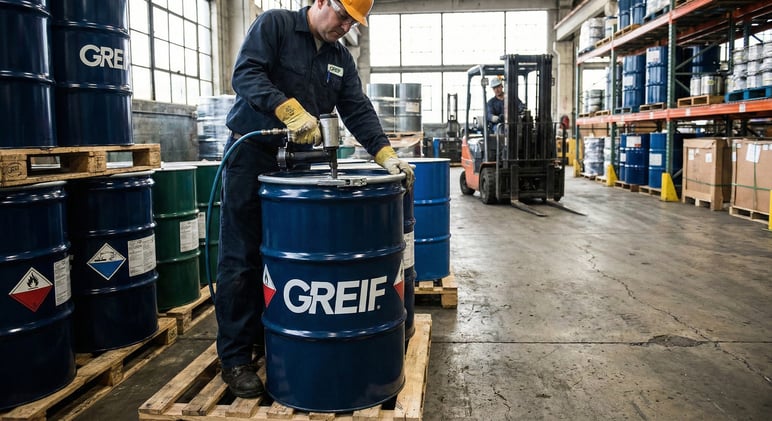
Greif’s packaging is commodity-like. This report looks at how reconditioning, take-back programs, and digital portals can help commodity businesses build sticker customer relationships.
Planet Fitness and Life Time both sell gym memberships, but their businesses could not be more different. Today, I break down how pricing, scale, and fixed costs show up in the numbers.
Gyms are a high-fixed-cost business. Rent, staff, and maintenance don’t change much day-to-day. Life Time shows what happens when revenue grows faster than those costs, and why you should care about utilization and operating leverage.
Planet Fitness might look easy to copy on the surface. But it has a surprisingly durable moat that comes from density, repeatability, and very specific positioning.
BBB Foods runs thousands of small grocery stores in Mexico and somehow makes it work on razor-thin margins.
Per-seat pricing made Arco easy to buy and easy to renew. Now AI is changing customer expectations around software pricing altogether.
Today I'm trying to take a common sense look at Hashicorp's sales and marketing expenses as it relates to its NRR. Their operating margins are ugly, but can they be justified?
HashiCorp was still losing money when it sold for over $6B. The key was its net revenue retention north of 120%. This report takes a closer look at that metric.